
The choice between aluminium and uPVC (unplasticised polyvinyl chloride) for doors and windows depends on various factors, and both materials have their advantages and disadvantages.
Here are some reasons why one might choose aluminium over uPVC:
Durability
Aluminium is known for its strength and durability. It is resistant to rust and corrosion, making it suitable for various climates, including coastal areas where salt exposure can be an issue. Aluminium doors and windows are less likely to warp or crack over time.
uPVC: While uPVC is durable, it may not be as resistant to the elements as aluminium. In extreme weather conditions, uPVC can become brittle or discoloured over time.
Slimmer Profiles
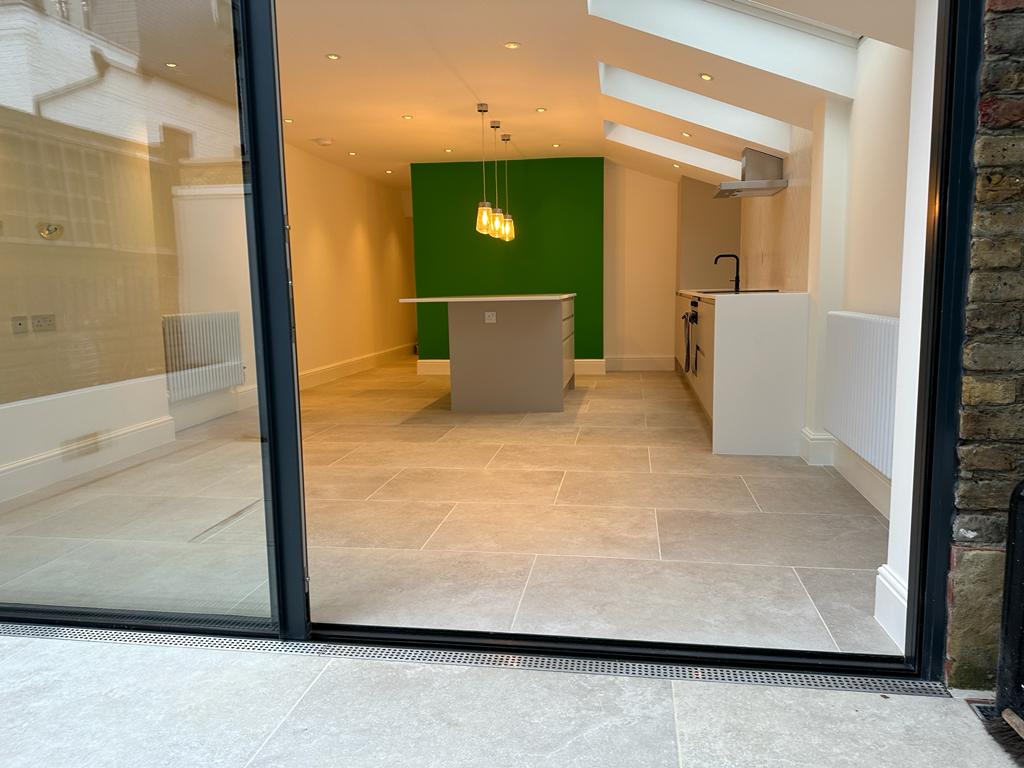
Aluminium frames can be designed with slimmer profiles, allowing for larger glass areas and a more modern aesthetic. This is particularly beneficial if you want a sleek and contemporary look for your doors and windows.
uPVC: uPVC frames are generally bulkier compared to aluminium, which might affect the overall appearance and the amount of natural light entering the space.
Recyclability and Sustainability
Aluminium is highly recyclable, and the recycling process requires less energy compared to the production of new aluminium. This makes aluminium a more environmentally friendly option for those concerned about sustainability.
uPVC: While uPVC can be recycled, the process is more energy-intensive than recycling aluminium. Additionally, the production of uPVC involves the use of fossil fuels, which may be a consideration for those prioritizing environmental impact.
Colour Options
Aluminium frames can be powder-coated in a wide range of colours, providing flexibility in design and customization.
uPVC: uPVC frames are generally available in a variety of colours, but the range may be more limited compared to aluminium.
Check our page about patio glass sliding doors for more information.
Temperature Stability
Aluminium has a higher thermal conductivity than uPVC, meaning it conducts heat more efficiently. This can be an advantage in cold climates, as aluminium frames may not contribute to condensation and can be fitted with thermal breaks to improve insulation.
uPVC: uPVC has better insulation properties, making it more effective at preventing heat transfer. This can be advantageous in terms of energy efficiency, especially in warmer climates.